Projects

Projects

Projects

Wallet: A change in course

Wallet: A change in course

The UX transformation of Wallet from an SSI wallet into a revenue-driven suite of digital trust microservices.

The UX transformation of Wallet from an SSI wallet into a revenue-driven suite of digital trust microservices.

Client

Client

Client

Swisscom

Sector

Sector

Sector

Digital Trust

Role

Role

Role

UX Designer

Year

Year

Year

2023-Present

CONTEXT

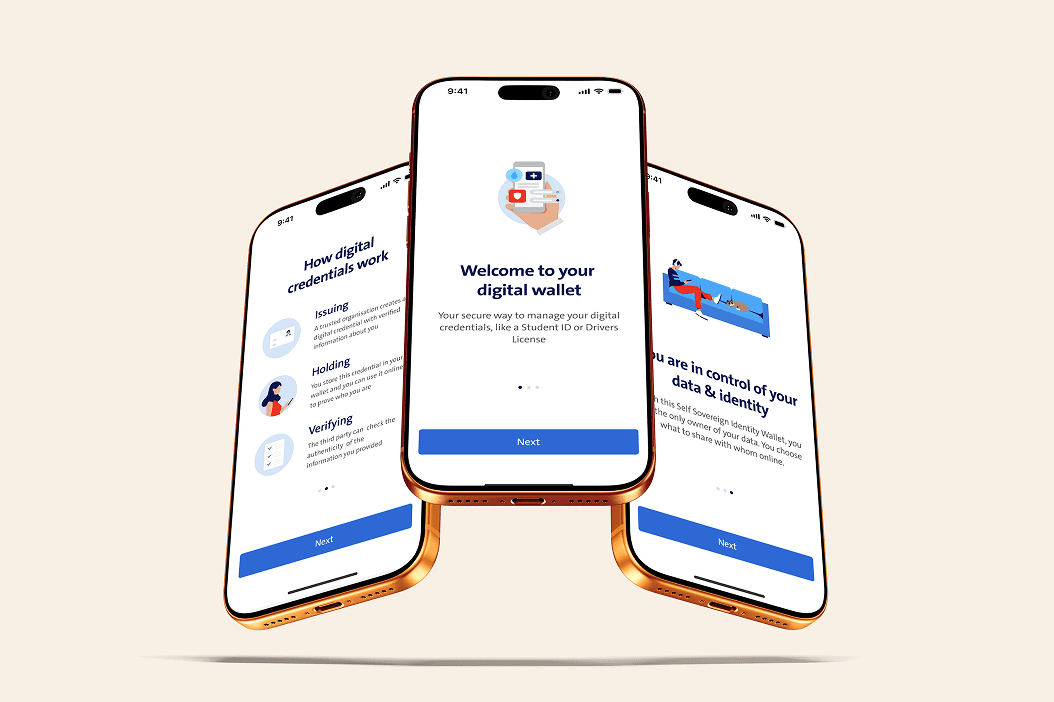
Swisscom Wallet was initially conceived as a Self-Sovereign Identity (SSI) wallet, aligned with trends in the digital identity market. During the project, a strategic shift occurred, transforming the product direction from a consumer SSI wallet to a suite of revenue-focused digital trust microservices.

INITIAL PROBLEM SPACE

Market Context

  • The digital identity market was rapidly adopting SSI wallets

  • Many competitors were launching or experimenting with similar wallet solutions

  • Swisscom aimed to explore this space while leveraging its trust and telco infrastructure

CHALLENGE

Initial Challenge
“How might we design an SSI wallet that provides value to users while fitting Swisscom’s Digital Trust portfolio?”
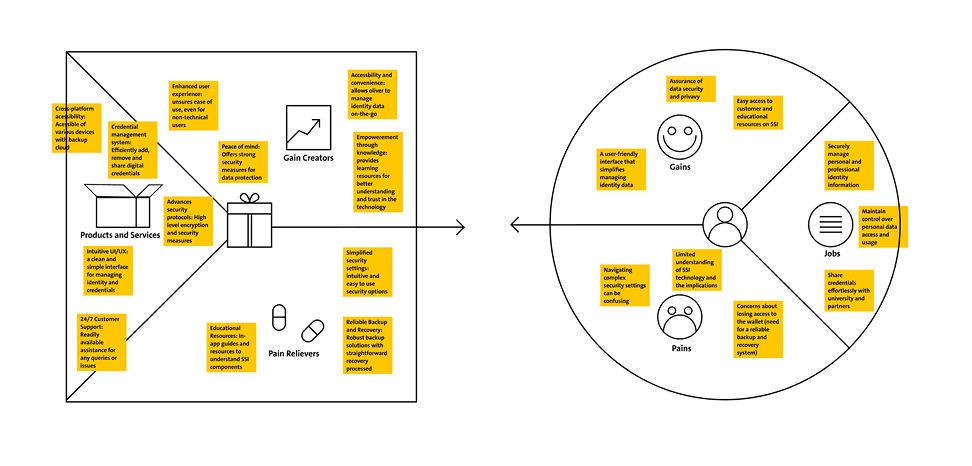
Discovery & Research 


(SSI Wallet Phase)
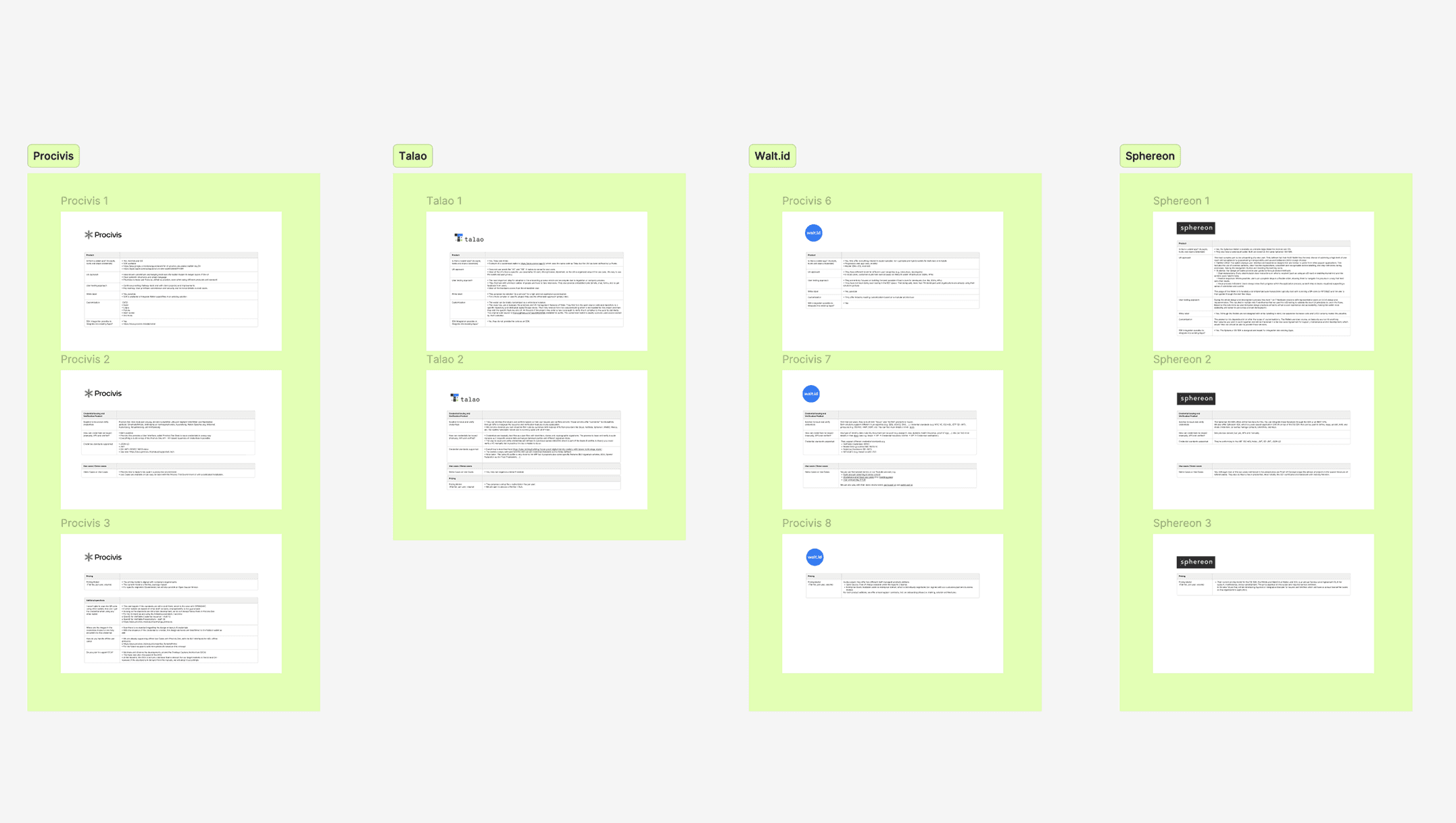
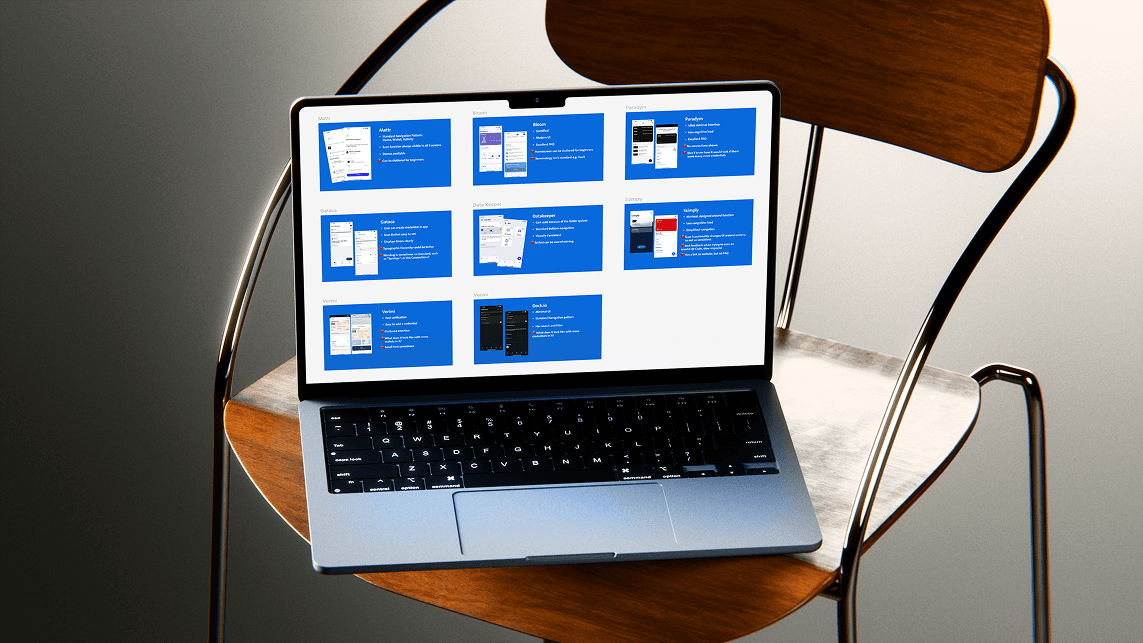
Benchmarking

  • Analyzed existing SSI and identity wallets in the market

  • Identified common patterns, gaps, and differentiators

  • Key insights:

    • Wallets were feature-rich but poorly adopted

    • Value propositions were often unclear to end users

    • Revenue models were weak or non-existent

  • UX Deliverables

Benchmarking

  • Analyzed existing SSI and identity wallets in the market

  • Identified common patterns, gaps, and differentiators

  • Key insights:

    • Wallets were feature-rich but poorly adopted

    • Value propositions were often unclear to end users

    • Revenue models were weak or non-existent

  • UX Deliverables

Benchmarking

  • Analyzed existing SSI and identity wallets in the market

  • Identified common patterns, gaps, and differentiators

  • Key insights:

    • Wallets were feature-rich but poorly adopted

    • Value propositions were often unclear to end users

    • Revenue models were weak or non-existent

  • UX Deliverables

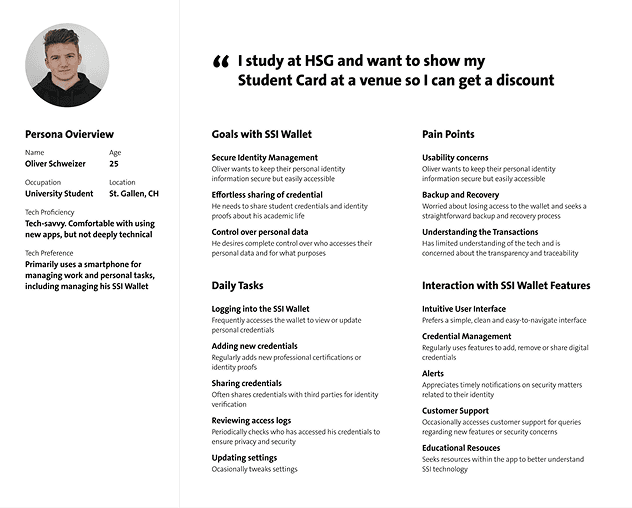
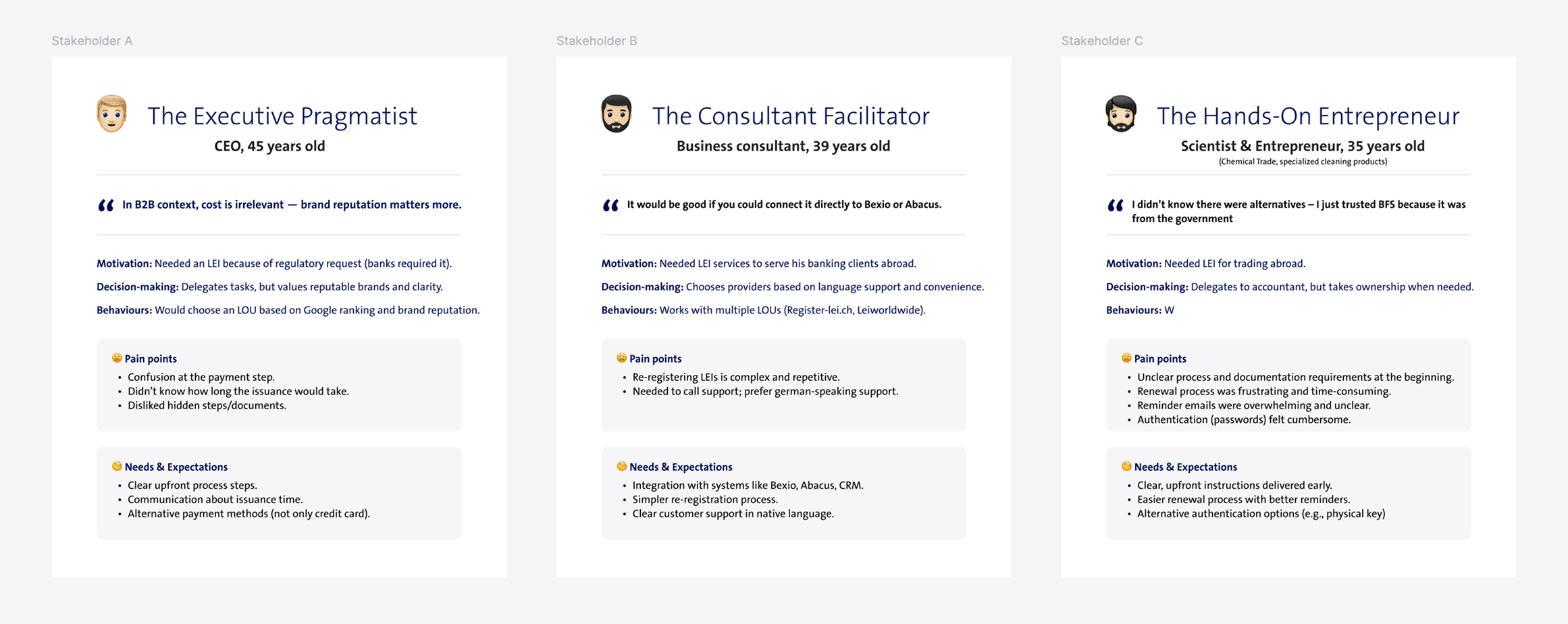
UX Deliverables

  • Personas

  • Value Proposition Canvas

  • User needs & pain points

  • High-level user journeys

  • Problem statements

📌 At this stage, the focus was on validating usability and desirability, but business viability remained uncertain.

UX Deliverables

  • Personas

  • Value Proposition Canvas

  • User needs & pain points

  • High-level user journeys

  • Problem statements

📌 At this stage, the focus was on validating usability and desirability, but business viability remained uncertain.

UX Deliverables

  • Personas

  • Value Proposition Canvas

  • User needs & pain points

  • High-level user journeys

  • Problem statements

📌 At this stage, the focus was on validating usability and desirability, but business viability remained uncertain.

Strategic Pivot

Change in Leadership

A change in leadership brought a business-driven reassessment of the initiative.

Key Insight

“An SSI wallet alone would not generate sustainable revenue.”

New Direction

Instead of a single wallet product, the team pivoted toward modular digital trust microservices that could:

  • Serve multiple customers and use cases

  • Integrate with existing enterprise systems

  • Offer clearer revenue streams

Change in Leadership

A change in leadership brought a business-driven reassessment of the initiative.

Key Insight

“An SSI wallet alone would not generate sustainable revenue.”

New Direction

Instead of a single wallet product, the team pivoted toward modular digital trust microservices that could:

  • Serve multiple customers and use cases

  • Integrate with existing enterprise systems

  • Offer clearer revenue streams

Change in Leadership

A change in leadership brought a business-driven reassessment of the initiative.

Key Insight

“An SSI wallet alone would not generate sustainable revenue.”

New Direction

Instead of a single wallet product, the team pivoted toward modular digital trust microservices that could:

  • Serve multiple customers and use cases

  • Integrate with existing enterprise systems

  • Offer clearer revenue streams

This marked a major shift from product-centric thinking to service-oriented design.

Redefined Scope: 


Digital Trust Microservices

The team identified six core microservices:
1- Key Management
2- Telco ID
3- E-ID
4- Basis Vertrag
5- Siegel
6- LEI (Legal Entity Identifier)
Each microservice was treated as an independent value proposition with distinct users, needs, and business goals.

Research & Validation per
Microservice

User Interviews

  • Conducted interviews specific to each service

  • Targeted different user groups (end users, enterprises, compliance roles, admins)

  • Focused on:

    • Jobs-to-be-done

    • Trust and compliance concerns

    • Willingness to pay

    • Integration and adoption barriers

UX Artifacts

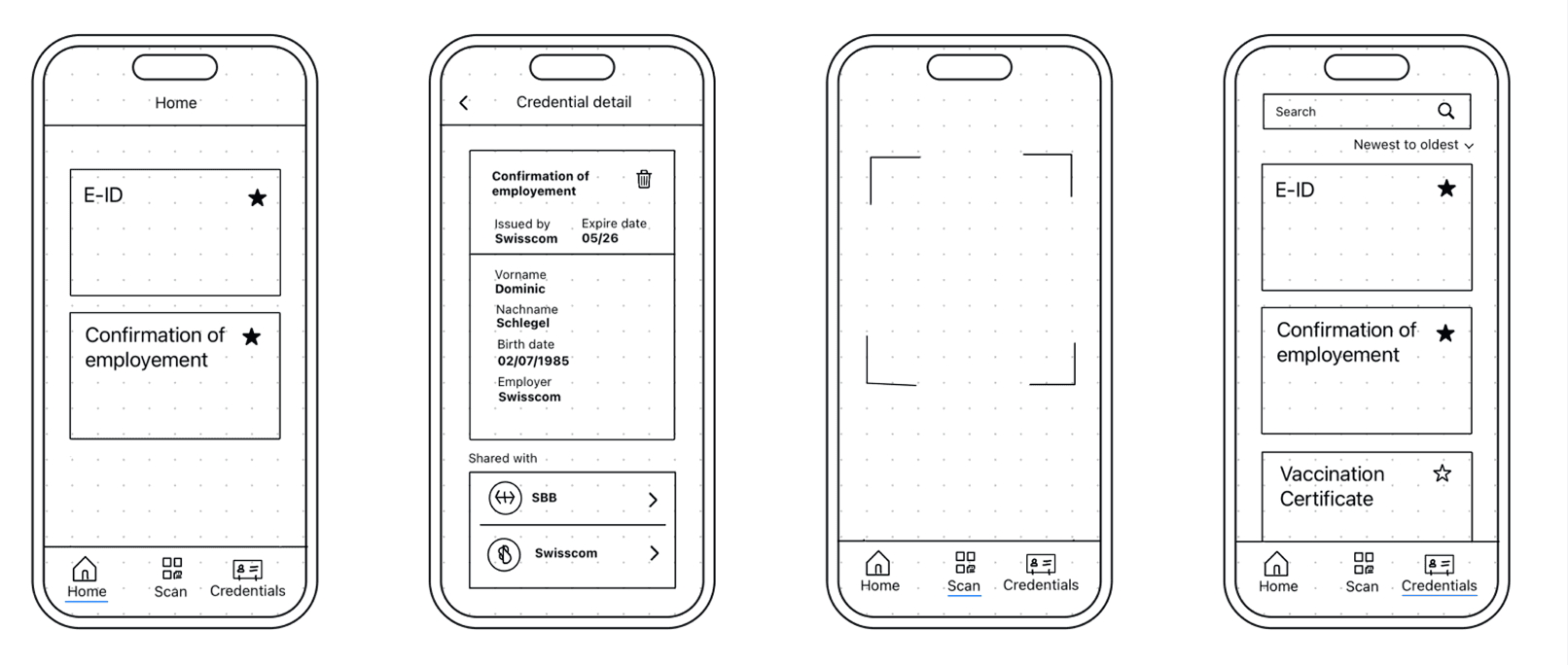
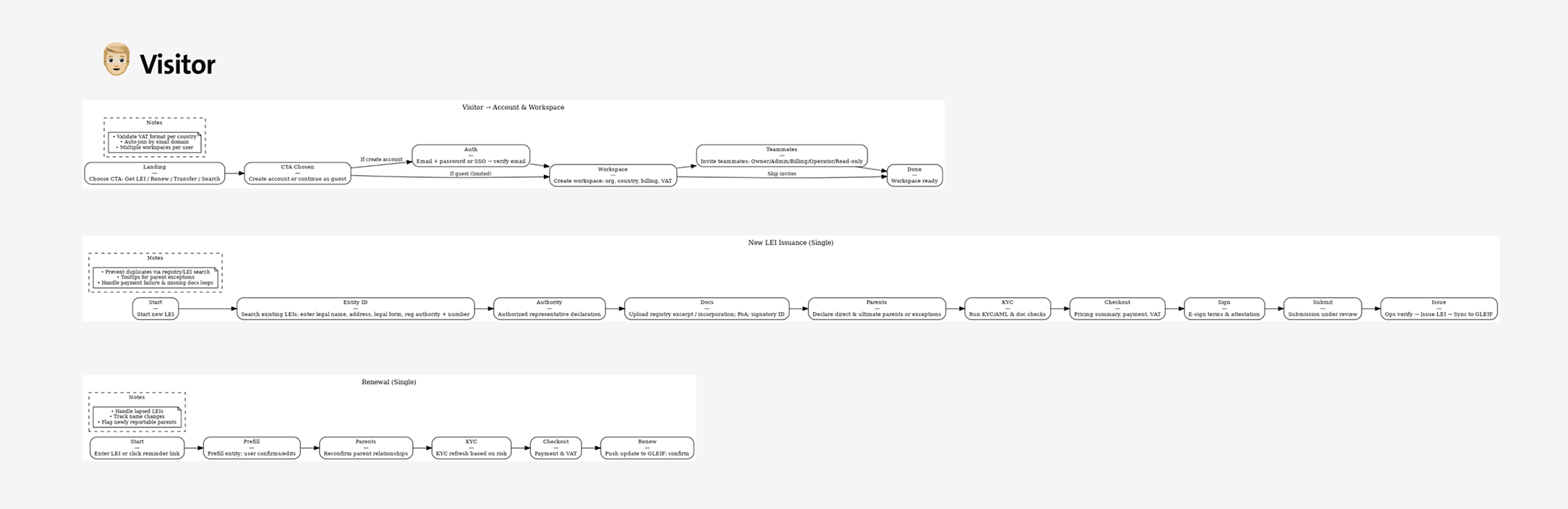
  • Individual user flows per microservice

  • Value Proposition Canvas per service

  • Identified primary and secondary users

  • Defined success criteria per product

UX Artifacts

  • Individual user flows per microservice

  • Value Proposition Canvas per service

  • Identified primary and secondary users

  • Defined success criteria per product

UX Artifacts

  • Individual user flows per microservice

  • Value Proposition Canvas per service

  • Identified primary and secondary users

  • Defined success criteria per product

📌 This phase helped prioritize which services had the strongest market and revenue potential.

📌 This phase helped prioritize which services had the strongest market and revenue potential.

📌 This phase helped prioritize which services had the strongest market and revenue potential.

Human + AI-Assisted
Design Exploration

Why We Used ChatGPT
We explored ChatGPT as a design thinking accelerator, not a replacement for UX work.
How It Was Used

  • Discussed each microservice’s:

    • Core value

    • Target users

    • Revenue potential

    • Product risks

  • Challenged assumptions from research

  • Explored alternative positioning strategies

Outcome
At the end of each structured conversation, ChatGPT generated:

  • A design prompt summarizing:

  • User

  • Goal

  • Core interactions

  • Assumptions

Rapid Prototyping
with Figma Make
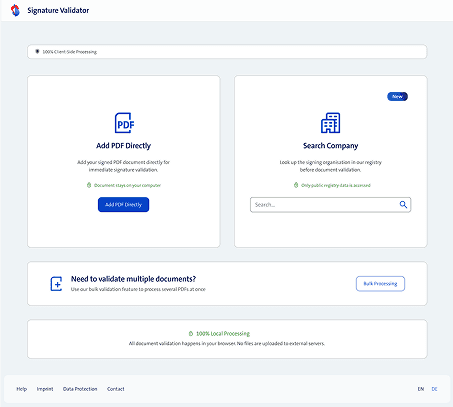
From Prompt to Prototype

  • ChatGPT-generated prompts were fed into Figma Make

  • Quickly produced clickable prototypes for each microservice

  • Prototypes served as:

    • Conversation tools with stakeholders

    • Early validation artifacts

    • Visual alignment points across teams

Design Refinement

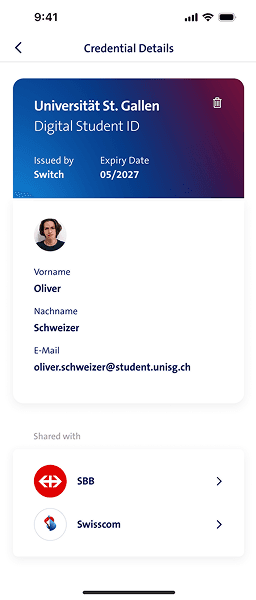
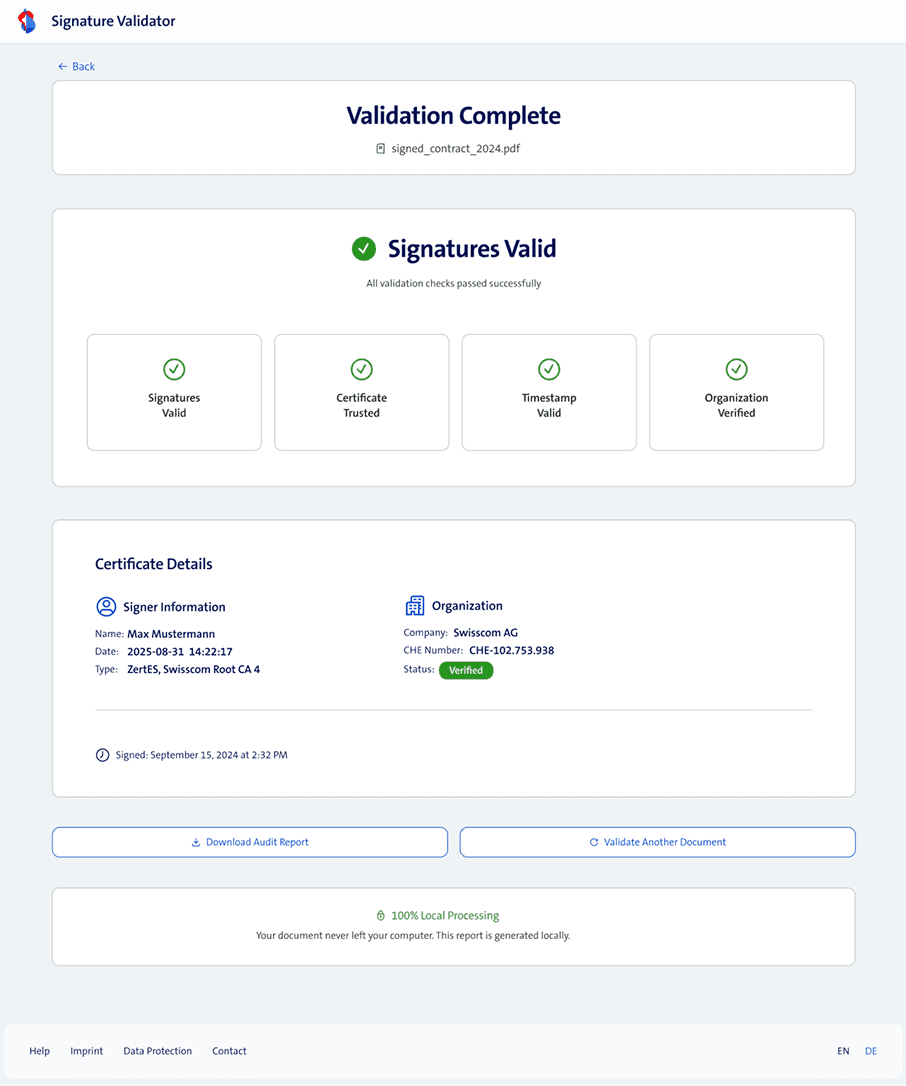
  • Adapted prototypes to Swisscom’s visual language

  • Refined interaction patterns

  • Iterated on flows based on feedback

  • Selected and refined the most promising concepts

From Prompt to Prototype

  • ChatGPT-generated prompts were fed into Figma Make

  • Quickly produced clickable prototypes for each microservice

  • Prototypes served as:

    • Conversation tools with stakeholders

    • Early validation artifacts

    • Visual alignment points across teams

Design Refinement

  • Adapted prototypes to Swisscom’s visual language

  • Refined interaction patterns

  • Iterated on flows based on feedback

  • Selected and refined the most promising concepts

From Prompt to Prototype

  • ChatGPT-generated prompts were fed into Figma Make

  • Quickly produced clickable prototypes for each microservice

  • Prototypes served as:

    • Conversation tools with stakeholders

    • Early validation artifacts

    • Visual alignment points across teams

Design Refinement

  • Adapted prototypes to Swisscom’s visual language

  • Refined interaction patterns

  • Iterated on flows based on feedback

  • Selected and refined the most promising concepts

📌 This approach significantly reduced time from idea to tangible artifact.

📌 This approach significantly reduced time from idea to tangible artifact.

📌 This approach significantly reduced time from idea to tangible artifact.

Outcome & Impact

What Changed

  • Shift from a single wallet to a modular digital trust ecosystem

  • Clearer link between user value and business value

  • Faster prototyping and decision-making

What Changed

  • Shift from a single wallet to a modular digital trust ecosystem

  • Clearer link between user value and business value

  • Faster prototyping and decision-making

What Changed

  • Shift from a single wallet to a modular digital trust ecosystem

  • Clearer link between user value and business value

  • Faster prototyping and decision-making

Key Impact

  • Enabled leadership to evaluate products visually and strategically

  • Helped prioritize services with real revenue potential

  • Introduced AI-assisted workflows into the UX process

Key Impact

  • Enabled leadership to evaluate products visually and strategically

  • Helped prioritize services with real revenue potential

  • Introduced AI-assisted workflows into the UX process

Key Impact

  • Enabled leadership to evaluate products visually and strategically

  • Helped prioritize services with real revenue potential

  • Introduced AI-assisted workflows into the UX process

Learnings & Reflection

What I Learned

  • UX must adapt quickly to strategic and business changes

  • Revenue considerations are essential in early design phases

  • AI can be a powerful thinking partner when used intentionally

  • Modular service design requires reframing traditional persona and journey approaches

    What I’d Do Differently

  • Involve revenue hypotheses even earlier

  • Validate pricing and willingness-to-pay sooner

  • Continue refining AI-driven design workflows

Final Note

This case demonstrates not just what I designed, but how I think as a UX designer:

  • Balancing user needs, business viability, and technical constraints

  • Adapting design strategy in response to organizational change

  • Experimenting responsibly with emerging AI tools

get in touch

luanav.com@Gmail.com

work with me

get in touch

luanav.com@Gmail.com

work with me

get in touch

luanav.com@Gmail.com

work with me